*Ndu Council Adopts Over 1.2 Billion FCFA Budget for 2026, Prioritising Roads, Water, and Youth Empowerment*
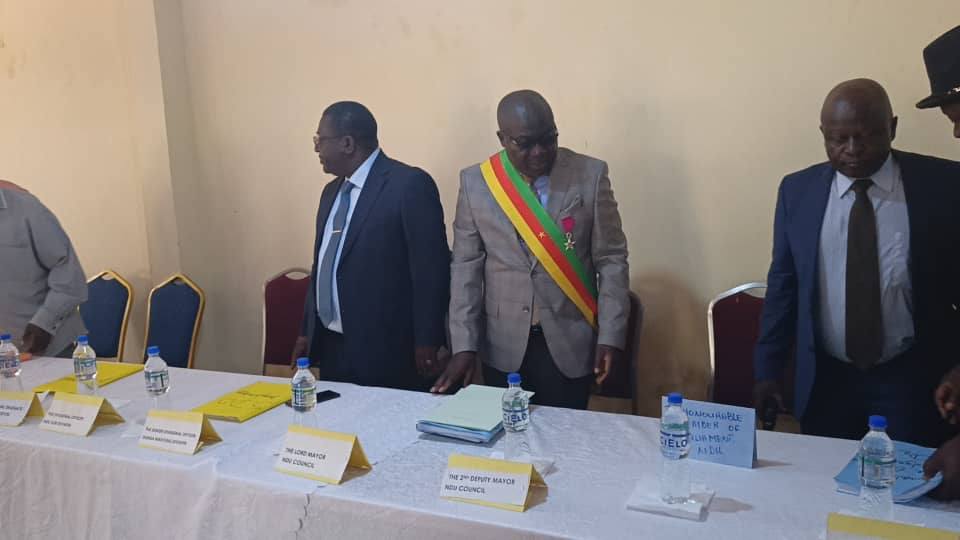
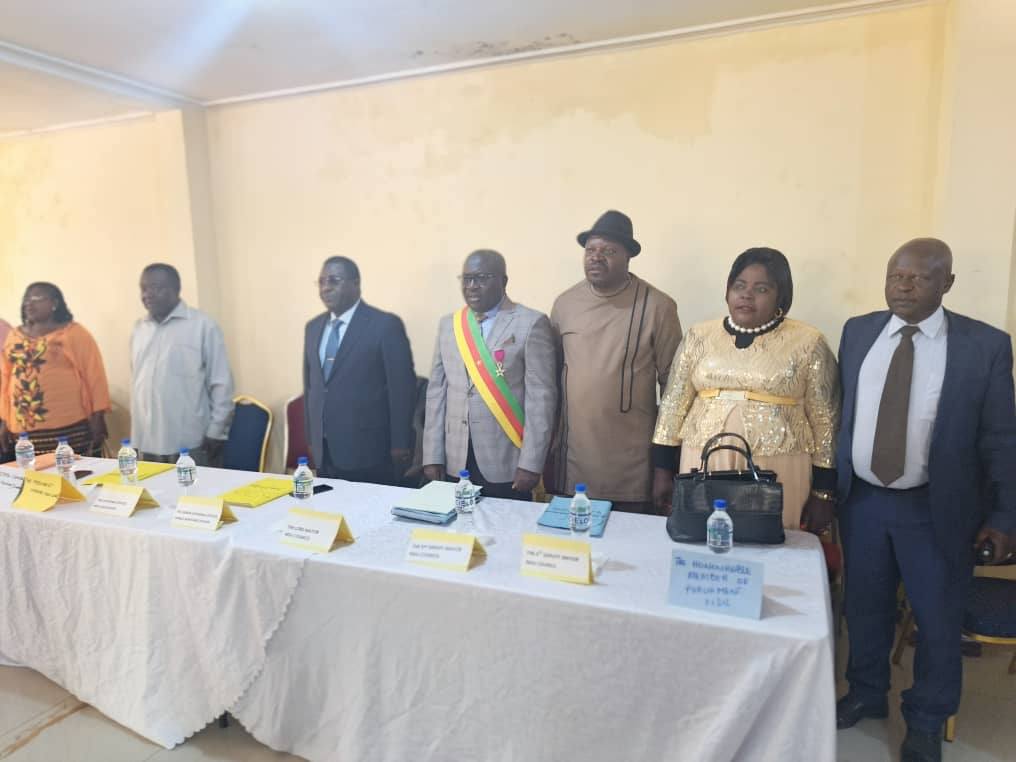
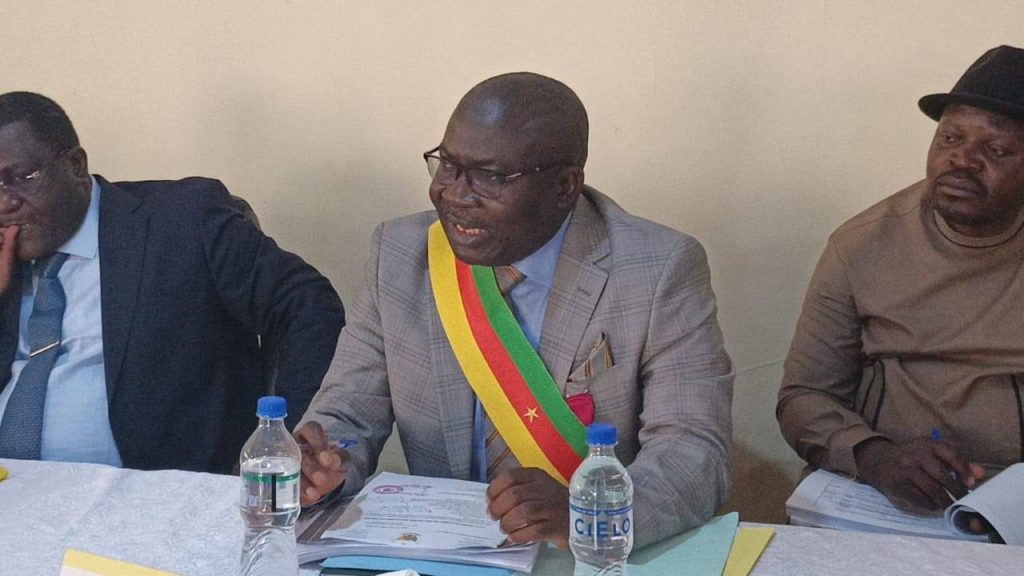
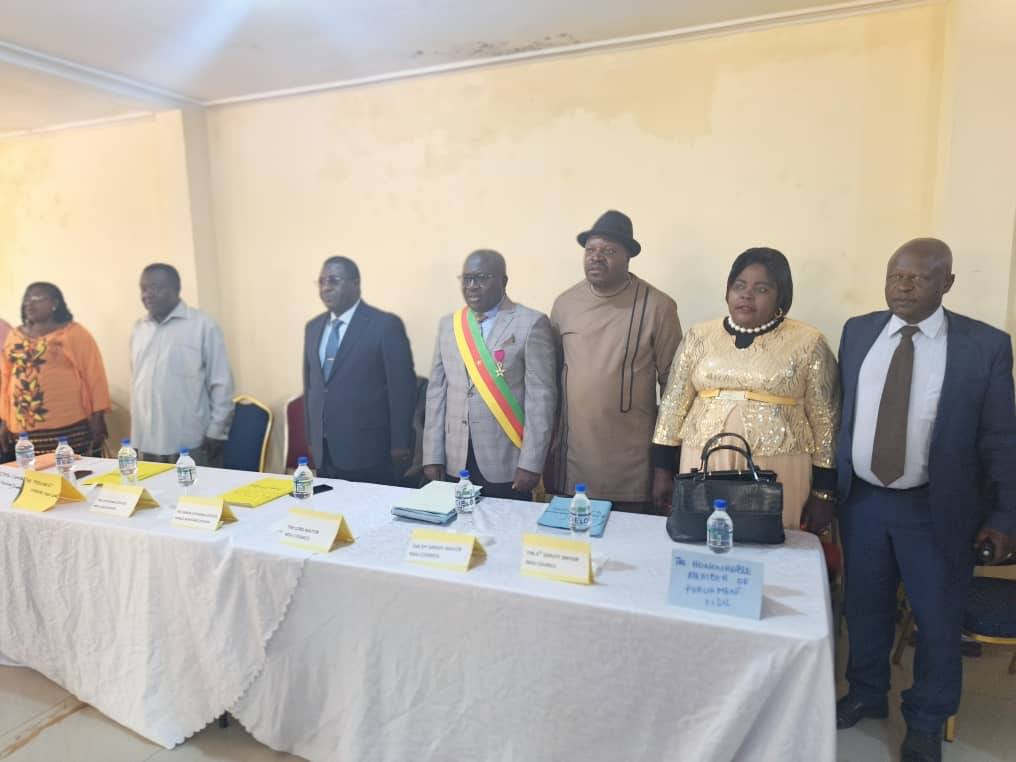
The Ndu Council has adopted a budget of over 1.2 billion FCFA for the 2026 financial year, setting an ambitious development agenda despite the prevailing socioeconomic and security challenges faced across the subdivision. Chaired on Saturday, November 29, 2025, at the Ndu Council Hall, the session placed strong emphasis on infrastructure, water supply, economic revitalisation, transparency, and youth empowerment.
Mayor Abdou Kanfon Borno outlined the council’s top three priority sectors—road infrastructure, water supply, and local economic development, describing them as crucial pillars of Ndu’s transformation strategy. He stressed that improving road connectivity remains central to unlocking economic activity, facilitating access to markets, healthcare, and education, and reducing the overall cost of transportation. In his words, reliable roads open up opportunities for investment and contribute to the long-term growth of all villages within the municipality.
A series of major road projects have been earmarked for 2026, including the opening of the Mbajeng–Njimnkang road (35 million FCFA), construction of the Mbakfu–JMBC Field road (35 million FCFA), grading of the Njipluh–Boyar road in Ndu town (4.9 million FCFA), and rehabilitation of tarred streets in Ndu town (4.9 million FCFA). Additional projects include the construction of V-shaped gutters at Mbarcourt (10 million FCFA), opening of the Caritas Water Tank–Mbakfu Sub-Palace road (40 million FCFA), and the construction of bridges on the Taku–Tamba and Mbipgo roads, costing 20 million and 30 million FCFA respectively.
Water and sanitation, the second-highest priority, remain critical for public health and community wellbeing. The council plans to intensify access to potable water through key interventions such as a new borehole with a solar pump and plastic tank at Ndu New Layout (20 million FCFA), maintenance of the borehole at the municipal grandstand (4.5 million FCFA), and a major water supply project for Ntantalah, Wowo, Mbarse, Mbikoh, and Mbajeng valued at 100 million FCFA. These investments are intended to reduce water scarcity and the health risks associated with inadequate sanitation.
In an effort to revive the local economy amid ongoing insecurity, the council is also prioritising youth empowerment and support to small businesses. Budgeted initiatives include the construction of classroom blocks in Ngulu, G.S. Mankeng, G.S. Kumah Talla, G.S. Mbarse, and GNS Njipluh, the supply of didactic materials, rehabilitation of CEAC Ntumbaw, a micro-project for fish production using solar-controlled boreholes in Ngarbuh, and extended support to Common Initiative Groups (CIGs). Mayor Borno emphasised that these projects are tailored to build skills, create jobs, and expand economic opportunities for young people and local entrepreneurs.
To guarantee transparency and accountability in project execution, the council reaffirmed its commitment to open procurement and fair competition in the awarding of contracts. Quarterly progress reports will be shared via Ndu Community Radio and published on the council website to keep residents informed. Village and neighbourhood committees, alongside civil society organisations, will actively participate in monitoring expenditure and ensuring alignment with community needs. A functional grievance redress committee has equally been established to handle public complaints on misallocation, delays, or mismanagement of resources.
Mayor Borno also addressed concerns about revenue generation. He explained that the security crisis had negatively impacted business operations, making it difficult for operators to pay the previous tax rates. Adjustments introduced in 2025 helped ease the burden and significantly boosted internally generated revenue. For 2026, the council plans to further expand its revenue base through digitised billing, sensitisation campaigns, service-based fees, and new public-private partnerships in areas such as waste management, markets, and motor parks. Vulnerable groups will continue to benefit from exemptions and social protection measures.
Despite the challenges, Mayor Abdou Kanfon Borno expressed optimism about the year ahead, reiterating the council’s firm commitment to “delivering concrete, observable progress for all residents of Ndu.” He encouraged citizens to submit proposals or concerns through their local representatives or directly to the mayor’s office for consideration in ongoing development planning.